Non-Profit & Social Good Organizations · A Happy Cog vertical
We’ve been building digital for organizations that do good since 1999.
One team designs the site, builds it, and grows it: the search visibility, the paid program, and the donor data behind them all handled by the same people, so the pieces work with each other instead of against each other. Foundations, advocacy groups, cultural institutions, and social-impact organizations have trusted us with that work for twenty-five years. You get senior people who know this sector’s real constraints, a lean staff, a limited budget, and a donor file built over years, and who treat them as the design problem rather than the excuse.
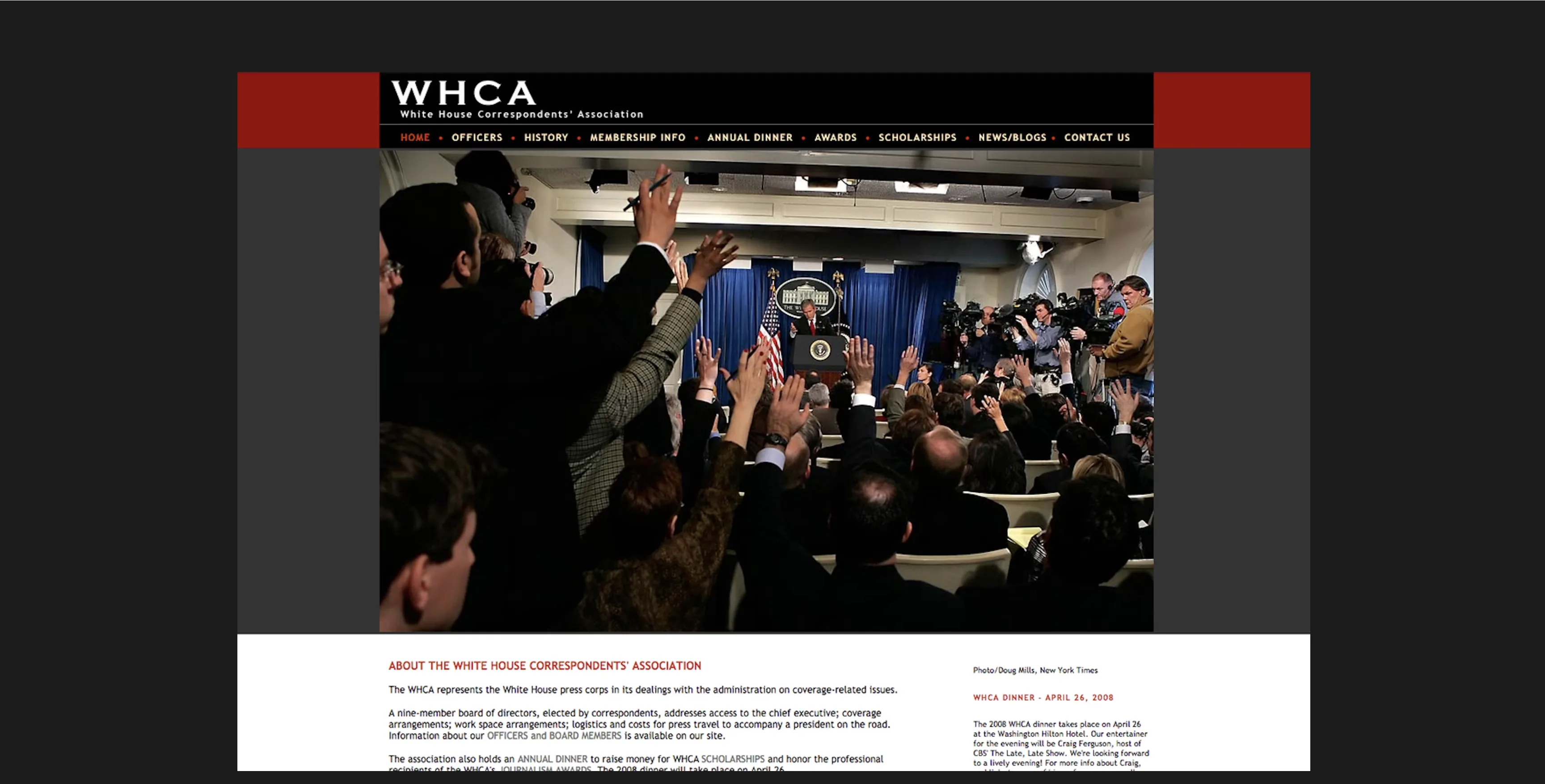
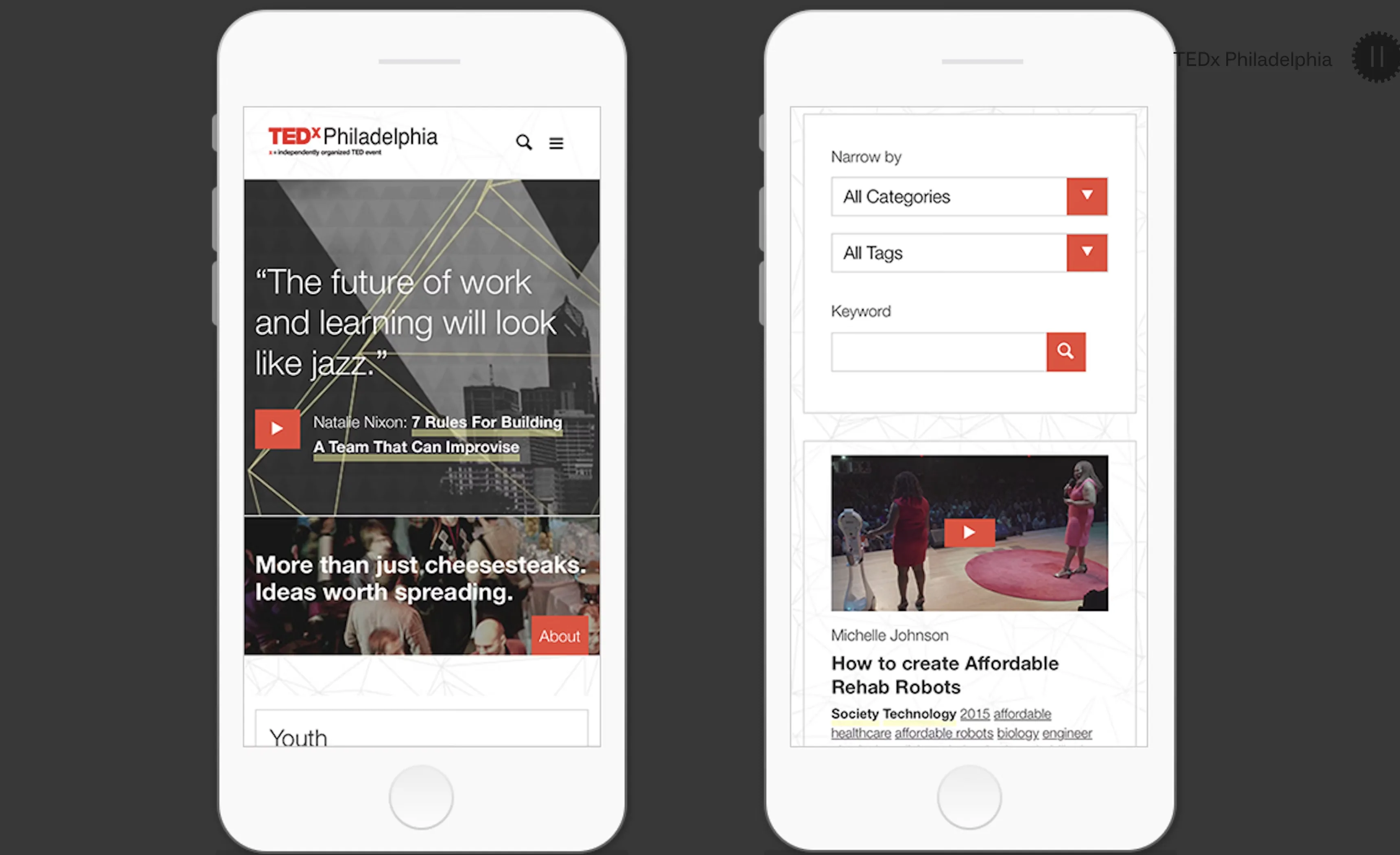
Organizations we’ve worked withDesign, development, and digital marketing for nonprofits, foundations, associations, and social-impact organizations.
Confirm which organizations are signed clients cleared for public display before launch.
The problems we solve
A handful of hard problems define digital for mission-driven organizations. We work across every one of them.
The same direction of travel shows up in every discipline. Four pressures are reshaping how mission-driven organizations get found, raise money, and keep the people who give. Not one of them is solved by a single tool or a bigger media budget, so we built a practice that addresses all four together.
01
AI is answering before the click
People are still searching for you. They’re just getting the answer before they reach your site.
Brand interest holds steady or climbs while organic visits soften, because AI Overviews and assistants now resolve a growing share of searches without a click. The response is not to abandon search. It is to earn citation inside the AI answer through structure, schema, and authority, and to instrument whether you appear there at all, because most organizations cannot yet see it happening.
02
The retention leak
Acquisition is the story everyone tells. Retention is the one that decides whether you’re healthy.
Most first-time donors never give a second time, while prior donors renew at far higher rates, which means revenue built mostly on one-time gifts is fragile by construction. Keeping a donor also costs a fraction of what it takes to acquire one. We build the retention engine first, with donation forms that default to monthly where the cause fits, a real first-90-days welcome sequence, and repair for the involuntary churn that comes from failed cards.
03
The Ad Grant is a floor, not a program
The $10,000 monthly grant captures your name. It was never built to win the queries that matter most.
Paid search consistently outperforms grant dollars, because rising competition for nonprofit keywords, the click-through requirement, and the bid ceiling on non-automated bidding mean a grant account on its own loses the auctions that decide acquisition. We keep a well-run grant account doing what it does best, then build a paid and answer-engine layer around it for the audiences and queries the grant cannot reach.
04
The structure problem
Most nonprofits don’t have a content problem. They have a structure problem.
The content is usually good. The trouble is that it sits in PDFs, slide decks, and orphaned pages, disconnected from the website where it could be doing more work and invisible to the AI systems now reading it first. A research report belongs next to the program it supports and the outcomes it proves, with findings tagged, methodology separated from conclusions, and authorship encoded rather than just printed on the page. We build the content model that makes your work portable across search, AI answers, and whatever comes next.
Why Happy Cog
We’ve been doing this work for mission-driven organizations since 1999.
This is not a vertical we entered because it started trending. Some of the most careful work we’ve done has been for foundations, advocacy groups, cultural institutions, and social-impact organizations, and it shaped how we think about the discipline as a whole. We built the patient-and-family journey for the Partnership to End Addiction, the digital home of the White House Historical Association, the vaccine-access storytelling for Shot@Life, and resource platforms that reach the people who need them, including work with the Steve Fund on mental-health support for students from underserved backgrounds. Central Park Conservancy and the Bill of Rights Institute are part of that history too. The through-line is a team that treats a nonprofit’s constraints, a limited budget, a lean staff, and a donor file built over years, as the design problem rather than an excuse.
1999
In the sector since
More than two decades of nonprofit and social-impact work.
Premier
WordPress VIP & Stripe
Premier Partner on the platforms that run your site and your donations.
WCAG 2.1 AA
Accessibility, designed in
Built from the first design decision rather than a final-stage audit.
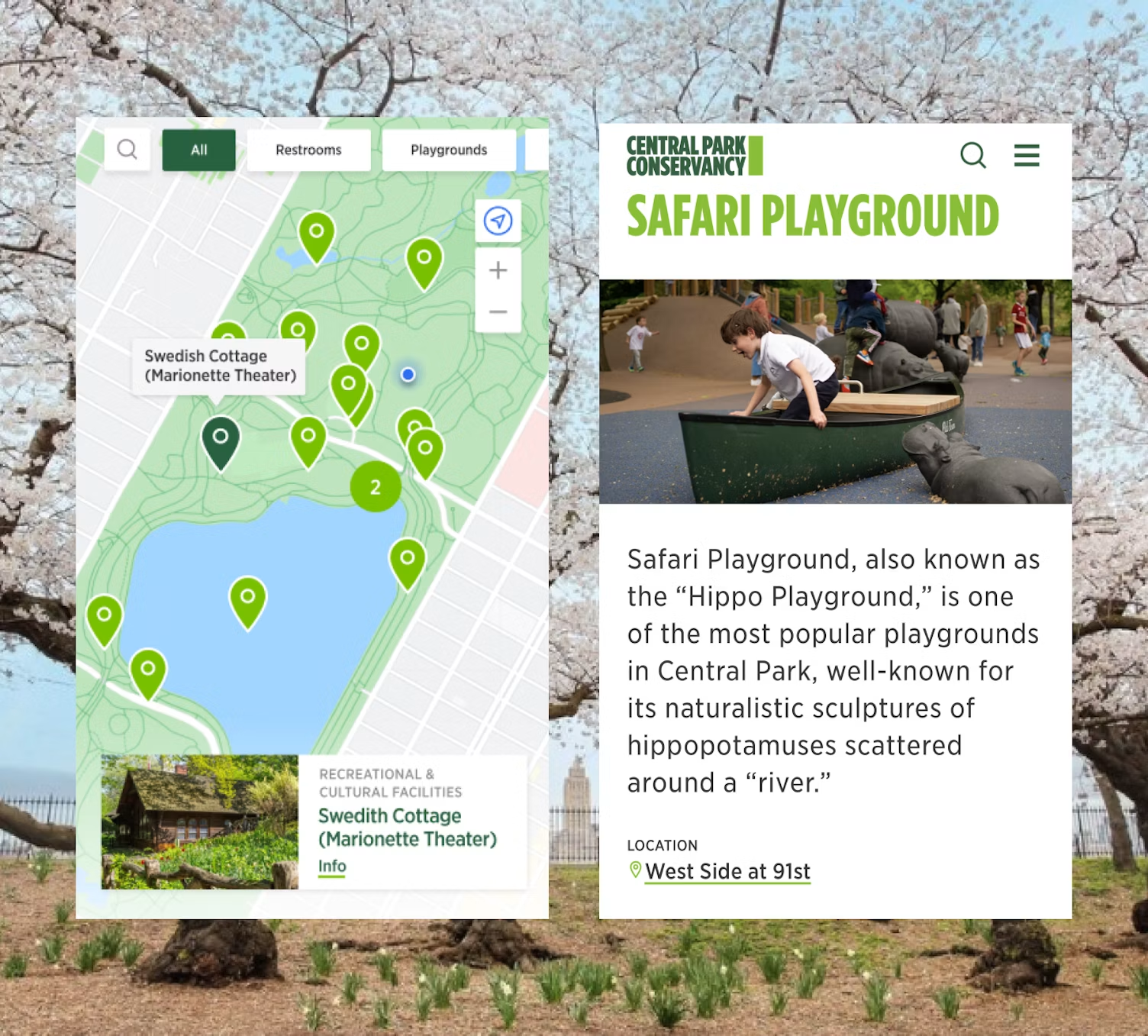
Selected work · Central Park Conservancy
The official, and definitive, digital home for one of the world’s best-known parks.
Since 2020 we’ve partnered with the Central Park Conservancy, the nonprofit caretakers of Central Park, to build the park’s official website: an extensible content management system, interactive maps, and a publishing model a lean team can run. The work earned three w3 Gold Awards, and it’s exactly the kind of durable platform we build for mission-driven organizations, structure and speed that outlast the launch.
CMS & PlatformMapsDesign & UX
Selected work
Platforms built to carry a mission for years, not a launch cycle.
Design has two audiences now, and one of them is a machine.
For a nonprofit, design still does the persuading. It is what turns a first-time visitor into someone who trusts you with a gift, a volunteer sign-up, or an email address. A second audience has become impossible to ignore: the AI crawler and the answer engine that read your site to decide whether to summarize, cite, and recommend you at all. We design for the person and the crawler in the same pass, because the semantic structure that helps a screen reader is the same structure a model depends on.
Trust, above the fold
Impact numbers, real program photography, third-party ratings, and clear financial transparency belong where the visitors who matter most look first. We design for credibility and hold the line on honesty, because manufactured urgency erodes trust faster than it raises money.
Human authorship as the asset
As template-driven, AI-generated sites flatten the visual baseline of the web, real photography, genuine stories, and craft that reads as made by people are what set a mission-driven brand apart. For our clients, that authenticity is the asset, not a style choice.
Accessibility as a design decision
The Department of Justice’s ADA Title II rule sets WCAG 2.1 AA as the standard for public-facing organizations. We treat accessibility as a structural requirement from the first design decision rather than a final-stage audit, which is where most nonprofit sites still fall short.
Designed to be cited
Strict heading hierarchy, clean components, and accurate labeling decide whether an AI can interpret your annual report, your policy brief, and your program pages. We design the parts a reader never sees as carefully as the parts they do.
Development & Content Platforms
We build platforms that get better with use instead of worse with age.
Every dollar you don’t spend on the next emergency redesign or one-off landing page is a dollar that goes to the mission. We build an intentional content model, an extensible design system, and publishing workflows sized for the staff you actually have, with people governing the AI-assisted parts of the build. What lasts is structure, speed, and a system your team can run without us in the room, not the trendiest stack.
A content model that lasts a decade
When content types are modeled so they relate to each other, a new program slots in without breaking the architecture, and the design evolves inside the system instead of forcing another rebuild. This is the work that separates a platform that lasts ten years from one that needs replacing in five.
Governance that matches your org chart
At most nonprofits, publishing rights are spread across a dozen people who handle content entry as a fraction of their jobs. Role-based permissions, template locking, approval workflows, and clear revision history keep the site coherent as the team changes.
Platform expertise, without the lock-in
We’re a WordPress VIP Premier Partner and work across Craft, headless architectures, and the platforms nonprofits actually run. When you can extend what you already have, we’ll tell you before recommending a migration you may not need.
Security as an everyday concern
The sector is heavily targeted, so we treat security as a build-time discipline rather than a final audit, and we keep people reviewing the AI-assisted parts so speed never turns into risk.
Search, GEO & AIO
The results page stopped being the destination. It became the answer.
This is still SEO in its evolved state, not something that replaces it. The clean technical foundations, clear topic structure, and authoritative content that have always won search are the same things that make an organization citable by AI. On top of that we add an answer-engine layer, and we treat “are we part of the AI answer?” as a core reporting question rather than an afterthought, because you cannot manage what you cannot see.
The answer-engine layer
Structured answers, schema, and content written to be useful at the passage level, so an AI summarizing your topic reaches for your work and credits it.
Off-site authority
Credible mentions across news coverage, professional communities, and partner sites are emerging as a driver of AI visibility. We build the reputation that makes AI systems confident enough to recommend you.
AI-visibility instrumentation
We stand up tracking for how often you’re cited, your share of voice against peer organizations in AI answers, and the traffic AI assistants send, the metrics that aren’t yet in anyone’s standard dashboard.
The foundations that still decide rankings
Fast, accessible, semantic builds and genuinely authoritative content remain the strongest predictors of being cited. The answer-engine work sits on top of the fundamentals, not in place of them.
From our portfolio · Aggregated & anonymized
Across the accounts we manage, AI assistants have started to show up as their own channel in analytics. The share of traffic is small, but it tends to be a highly engaged one, with people who arrive through an AI answer completing key actions at strong rates. The absolute volume is small today and we report it straight. The trajectory is the point, which is why we instrument AI visibility early rather than after it matters.
Paid Media
The grant is the floor. The strategy is what you build on it.
We treat paid media as a precision tool rather than a growth shortcut. We keep a well-run Ad Grant account capturing the people already searching your name and mission, then build a paid search, paid social, and answer-engine layer around it for the queries and audiences the grant can’t win. We use automation where it earns its place and keep people in the loop, with clear guardrails and recommendations reviewed rather than accepted by default. A single profitable channel you understand beats five you turned on because a rep suggested them.
Ad Grant management, done right
Automated bidding to lift the grant’s bid ceiling, strict adherence to the click-through and conversion rules, and a structure that keeps the grant doing what it does best while the paid layer handles the rest.
Paid search & social
Campaigns for the competitive, high-intent queries the grant loses, with brand and non-brand kept separate and clean first-party data feeding the algorithms.
Creative as the main lever
With targeting and bidding increasingly automated, the message and the imagery are where a mission-driven organization still differentiates. We put the work there.
CTV and upper funnel
Connected TV has come within reach as a prospecting channel. We judge it on incremental reach rather than last-click return, which always undersells it.
From our portfolio · Aggregated & anonymized
The pattern shows up cleanly in our accounts. Disciplined management of a paid search program, rather than a bigger budget, is what raises return on ad spend and brings down cost per completed action. The gains come from structure and management, not from spending more.
Fundraising, Retention & Donor Data
Build the retention engine before you spend more on acquisition.
For most nonprofits, the fastest gain comes from raising the repeat rate and recurring giving among the donors you already have, rather than from another acquisition push. Recurring donors retain far better and are worth many times more over their lifetime, yet most donation forms still default to a one-time gift, which makes that default one of the highest-return changes you can make. We build the machine underneath it, then we measure lifetime value instead of the size of a single campaign.
Recurring giving by default
We set donation forms to monthly where the cause supports it, the change the data says returns the most, and design the ask so it reads as an invitation rather than a demand.
The first 90 days
A real welcome sequence for new donors, built for the moment retention is won or lost, because the first-time donor who never gives again is the sector’s biggest unsolved problem.
First-party data as the fuel
Clean, consented donor data powers your email and SMS, your ad targeting, your personalization, and your AI tools at once. It is the one asset that improves every other channel and the one no platform can take back.
Donation infrastructure that settles correctly
As a Stripe Premier Partner, we build payment and donation flows that handle recurring gifts, multi-entity routing for federated organizations, and the reporting your finance team needs, without the fragility that tends to break at year-end.
AI Consulting
We’ll tell you where AI belongs in your stack, and where it doesn’t.
The temptation is to react to every AI announcement, and we push the other way. AI has made execution cheaper and faster for everyone, so the value of a partner is no longer doing the work. It is knowing which work matters for your mission, having the discipline to skip the rest, and being honest about what the evidence does and does not yet support. Many nonprofits have no AI governance policy at all, so we start there before pointing any tool at donor data.
Governance first
An AI use policy that matches how your team actually works, written before you connect AI tools to donor data.
AI in the build, supervised
We use AI to reason through features, test flows against real behavior, and speed up content workflows, with people reviewing every architectural and editorial decision.
Honest counsel
We publish our opinions on what works and what doesn’t, and we’ll advise against an AI spend that won’t pay a nonprofit back. Limited capital deserves that candor.
One team
One team designs it, builds it, and markets it, so nothing falls through the gaps between them.
When your design, development, and marketing teams are the same team, the problems that usually fall between them stop falling. The campaign lands on a page the same people designed and built, and the analytics measuring it were implemented by the people running it. Your AI visibility depends on a fast, accessible, semantic build, content structured to be cited, an authoritative reputation across the web, and clean first-party data, all at once, which is why we bring these capabilities to a problem together rather than in sequence.
Thought leadership
We publish a point of view, not a vendor pitch.
We publish the Happy Cog Digital Outlook, an ongoing point of view on what is changing across design, development, search, paid media, and donor data, and where we think things are heading. We flag industry data by source so you can weigh it yourself, we include our own aggregated results where they sharpen a point, and where the evidence is genuinely unsettled we say so. We would rather be useful and honest than confident and wrong.
Run digital at a mission-driven organization? We’d like to hear what you’re solving for.
Maybe you’re rethinking a site that can’t be read by an AI or a screen reader, rebuilding a paid program that leans too hard on the grant, working to turn a one-time donor into a recurring one, or figuring out where AI actually belongs in your stack. Start with a 30-minute conversation. The best work starts with a good one.