In the last six years I’ve done a fair amount of business travel. On occasion, there have been a few memorable trips due to the flight (Nashville, I don’t know how you deal with that kind of turbulence), the destination, the clients (like good old “Poet’s Eye”), or just the circumstances of our meeting. The last two years have been especially busy and I’ve built up a good catalog of stories from experiences on the road from Lansing to Birmingham, Bend to Boston, and beyond.
My business partner Jeffrey Zeldman once said, “Don’t worry about people stealing your design work. Worry about the day they stop.” I smell what he’s cooking, but on a practical level, people who build websites should start taking the protection of their work seriously and stop complaining on Twitter when they find out someone ripped them off. Myself included.
A recruiter emailed me recently. I was selected for a role because I had experience with the software “Adobe”… Recruiters. Such a disaster. AMIRITE?!?!?
Hold on there, let’s pump the brakes on the generalizations a bit. Recruiters, like designers or developers or content strategists, hail from a variety of backgrounds, have a wide range of capabilities, and deliver varying degrees of value and results. For many people, a relationship with a recruiter is the catalyst for opportunities that reshape a career.
The South By Southwest Panel Picker has launched for SXSW Interactive in Austin, TX from March 9-13, 2012! Happy Cog and our panelist partners are thrilled to offer nine panels for your consideration. From design to project management and client services to user experience, there are wonderful conversations across a broad range of topics waiting to be had.
User voting has a tremendous impact on the panel selection process. Our panel proposals are outlined here for your consideration. If you see something you’d love to explore more with us and our panelist partners in March, please follow the links provided and let the Panel Picker know what you want! Voting ends 11:59 CDT on Friday, September 2.
Khoi Vinh recently shared some inspiring insights on the evolution of opportunities for design professionals in the digital realm in a post entitled The End of Client Services. He has, as of the time of this publishing, since revisited and revised his thoughts. If you haven’t read these posts, you should, because it’s good stuff. I’ll wait.
When it comes to HTML5 elements, do you ever feel like you’re reaching for a carrot on a stick? The promise of those tasty elements, hanging right in front of you, taunting you, so close, yet just out of reach. What you wouldn’t give for just one bite of a section, one taste of a succulent aside, one thirst-quenching datalist. I bet no one told that donkey it was going to have to wait ’til 2022 to eat that carrot.
At Happy Cog, process is not sacred. We respect process, but we are constantly looking to improve the way our projects run; especially with regard to transitioning between project phases. Last week, Yesenia Perez-Cruz described how she crafts sweet systems and digital cupcakes. This week, I’m going to show you how we turn those cupcakes into a well-built tower of yummy cupcakery.
To most, it’s just the sugary centerpiece to a child’s birthday party—but to me, the Cupcake Cake is systematic genius. A balance of consistency and variety, each cupcake is decorated with the same delicate piping technique, from a carefully selected color palette, with no drop of icing wasted. The result is surprising, delightful, and the highlight of the party.
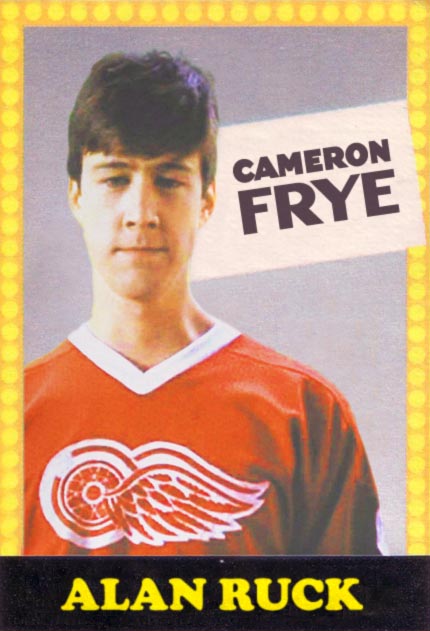
I’m not gonna lie. On a bad day, I can be a bit like Cameron from Ferris Bueller’s Day Off.
Note: If you were born after 1986 or just don’t like movies and don’t get the reference, Cameron is like Eeyore. If you don’t get that reference, there is no helping you.
Industry creative folks I’m friends with personally and respect professionally have uttered the following to me on multiple occasions:
“I want to make cool shit.”
I’ll be honest, I just don’t get it. To be fair, it’s safe to say I don’t get “cool” in general. I routinely dress like I’m headed to a corporate team-building ropes course, and I’m still waiting for Firefly to be picked up for season 2. So maybe it’s no surprise that the quest for cool escapes me. I don’t get the allure of making something cool for the sake of it being cool. Further, I don’t understand how you sell that to clients, or more importantly, why they would pay for it.
In a previous Cognition post, I shared my experiences of working remotely over the last 5 years. In the last section of that post, I made a quick reference to DEVONthink Pro Office, which I described as a “powerful database tool” that “allows you to easily store, tag, classify, and search for documents.” That is still true and, just as I mentioned in the post, I use DEVONthink Pro Office to store all of my documents, notes, URLs, and other files. As a follow-up, I want to share some more details on how I use DEVONthink Pro Office to organize some of my Happy Cog project documents.
Every successful project needs an Awesome Blossom moment: when your relationship with a client enables the project to transcend deadlines and goals to more acutely capture the spirit of creating something great.
It all starts with finding the humanity in the project and sharing a sense of excitement with your client team members. As they have chosen your company to help build their web experience, the client has placed a great amount of trust in you. Your job, over the length of the engagement, is to solidify: a sound strategy based on the goals of the project; a transparent, trusted, and respectful working relationship with your client contacts; an agile, yet progressive, project process; and an open line of communication that can extend beyond the project.