Capabilities
Our team can take on any part of an enterprise Storyblok program, or all of it.
You can bring us in for a single piece of the work, like a migration, a headless front end, or a CRM integration, or keep our team on after launch for new components, analytics, and search.
01 · Migrations and replatforming
A large site can move to Storyblok and keep its search rankings.
Every migration starts with a discovery audit by our replatforming team, who map every content type, template, integration, and URL on your current site and work out with you what to carry over, rebuild, or retire. We use AI agents from the first audit onward to catalog your content and check every batch of migrated items. Our developers write the scripts that move your articles, bios, and pages into Storyblok's content structure, and we run those scripts into a staging space as often as we need, so your editors see real content in the new system well before launch. We map every URL that changes and keep your redirects, metadata, and structured data intact, so your search rankings carry over, even when the move comes with a new domain.
02 · Component libraries and the Visual Editor
Your editors can build new pages from a library of ready-made blocks.
Our front-end developers build your design system as a component library and map each component to a Storyblok block, with the fields, options, and on/off toggles your marketers need to assemble a page without a developer. Every block works in Storyblok's Visual Editor, so editors see the page as they build it. We build the blocks in the order your team needs them, so editors can start on real pages while the rest of the library is still in progress, and we can publish the library in Storybook so your designers can check each component against the designs.
03 · Headless front-end development
Your developers get a fast front end in the framework they want to maintain.
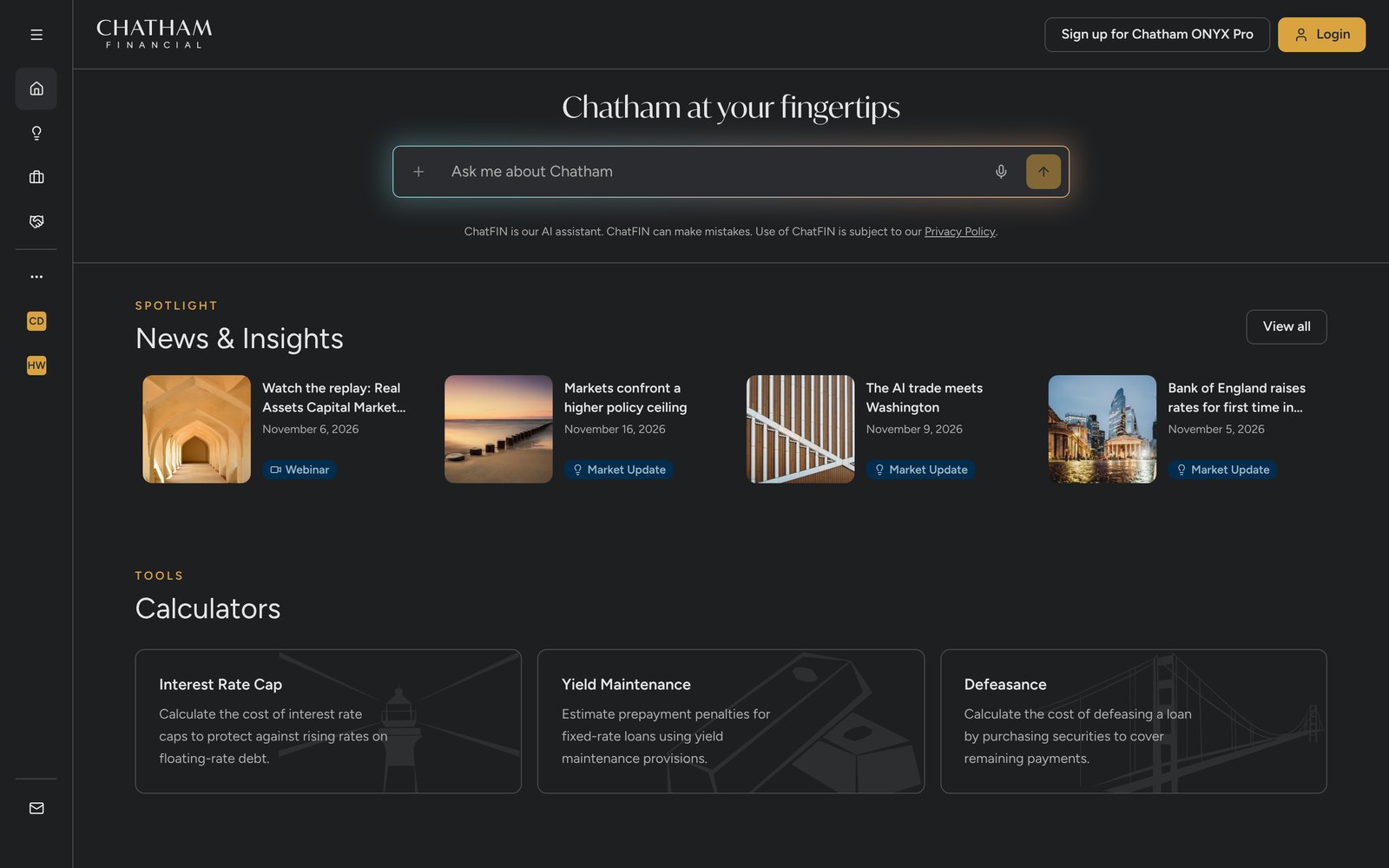
Storyblok holds your content and hands it to a front end our developers build, most often in React and Next.js, with Astro, Vue, and Nuxt among the frameworks we work in. We server-render the pages that search engines and AI assistants need to read. We also generate TypeScript types from your Storyblok schema, so your developers catch a broken field before it reaches production. For Chatham, our team deployed the Next.js front end to Cloudflare Workers through OpenNext, which serves pages from Cloudflare's network close to every visitor. We can also host on Vercel, Netlify, AWS, or Azure, with the accounts and repositories in your name.
04 · Integrations and commerce
We connect Storyblok to the CRM, commerce, and marketing tools you already use.
Our developers can connect Storyblok to Salesforce, Marketing Cloud Account Engagement (formerly Pardot), HubSpot, and the other systems your sales and marketing teams depend on, through APIs and webhooks. On Chatham's site, live job listings come in from Greenhouse and the events subdomain runs on Cvent. For SNACKLINS, the bagged snack sold in stores nationwide, Storyblok runs the site content while Shopify handles the store and checkout, so the marketing team can update the site without touching the store. Our analytics team can also send CRM milestones (demo requests, opportunity stages, and closed-won deals) back to ad platforms like Google and LinkedIn, so your campaigns optimize toward pipeline.
05 · Tagging, consent, and analytics
Accurate tagging feeds every dashboard your team reports from.
Our analytics team sets up Google Tag Manager on your Storyblok front end, configures your consent platform so tags follow each visitor's choices, and builds the GA4 events your dashboards depend on. For Chatham, we set up GA4, Google Tag Manager, OneTrust, and FullStory, and kept cookie consent working across the main site and its separate Cvent events subdomain through the cutover.
06 · SEO and AI search
Search engines and AI assistants can find and cite your pages.
Every Storyblok site we build goes through our SEO team's audit of more than 100 technical factors that affect how search engines and AI assistants crawl, read, and cite a page, including schema, canonical tags, heading structure, and server rendering. We can build redirect management into the front end or set it up at the Cloudflare level, and we give your editors SEO fields in Storyblok for titles, descriptions, and social images. We also check that ChatGPT, Perplexity, Gemini, and Google's AI Overviews can reach the content you want surfaced.
07 · Multi-brand, multi-site, and localized builds
One component library can run several brands, sites, and markets.
A single component library, themed from your design tokens, can give each brand or regional site its own look while your team maintains one codebase. We can set up Storyblok's spaces, folders, and field-level translation for each market, with roles and permissions that match how your teams publish. When parts of the site depend on systems another team owns, like a member portal or a pricing service, our architects can write the API contracts at the start of the project and build the front end against mocked responses, so front-end work can start months before the back end is finished.
08 · Training, governance, and support
Editors learn the site during the build, and our developers can stay on for new components and support.
Your editors build pages with us throughout the project, so by launch they know how to use every block, assemble new layouts, and publish within the roles and workflows your security team sets. After launch, our developers can stay on for new components, integrations, security updates, and performance work, with our analytics and SEO teams alongside them. We've supported Chatham's Storyblok site since launch, including the SEO work its marketing team asked us to continue.